
Insights | MES vs MIS: What’s the Difference and Why It Matters
MES vs MIS: What’s the Difference and Why It Matters
Manufacturers rely on data to run efficient, predictable operations. But not all manufacturing software is designed for the same purpose. Two systems that are often confused are Manufacturing Execution Systems (MES) and Manufacturing Information Systems (MIS).
While both deal with production data, they serve very different roles. Understanding the difference between MES and MIS is essential when choosing the right system to support shop floor control, quality, compliance, and decision-making.
This article explains what MES and MIS are, how they differ, and when each system is most appropriate.
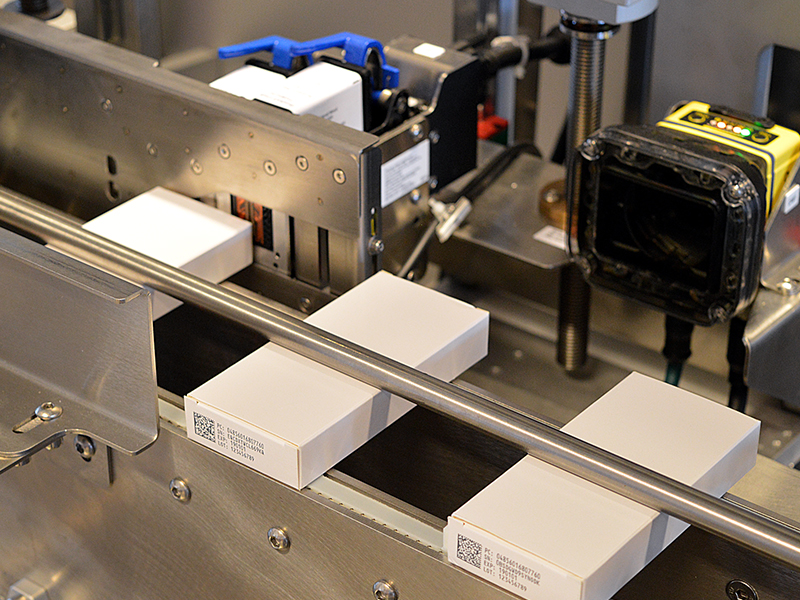
What Is an MES (Manufacturing Execution System)?
A Manufacturing Execution System (MES) is software that manages and controls production in real time on the shop floor.
MES sits between ERP systems and production equipment. It takes production orders and ensures they are executed correctly by:
- Guiding operators through standardised workflows
- Enforcing quality checks and validations
- Collecting live data from machines and operators
- Tracking materials, batches, and production status
- Providing full traceability and compliance records
MES is action oriented. It doesn’t just record what happened, it actively controls how work is performed.
In short:
MES answers the question: “Is production happening correctly right now?”
What Is an MIS (Manufacturing Information System)?
A Manufacturing Information System (MIS) focuses on collecting, organising, and reporting production data for analysis and decision-making.
MIS systems aggregate data from various sources, such as ERP systems, manual inputs, or production monitoring tools, and present it through reports and dashboards. These systems are typically used by managers and executives to review performance trends, costs, and historical results.
MIS does not usually control production or enforce workflows. Instead, it provides insight into what has already happened.
In short:
MIS answers the question: “How did production perform?”
The Core Difference Between MES and MIS
The fundamental difference between MES and MIS is control versus insight.
| Area | MES | MIS |
| Timing | Real-time | Historical or near real-time |
| Focus | Execution and control | Analysis and reporting |
| Users | Operators, supervisors, quality teams | Managers, planners, executives |
| Role | Guides and enforces production | Summarises and analyses data |
| Impact | Prevents errors as they happen | Identifies issues after the fact |
How MES and MIS Differ in Practice
Shop Floor Control
MES operates directly on the shop floor. It tells operators what to do next, ensures the right materials are used, and blocks production if quality steps are missed.
MIS does not interact with operators or machines in real time. It relies on collected data to generate insights later.
Quality and Compliance
MES enforces quality checks during production and creates a complete digital audit trail. This is critical in regulated industries.
MIS may report on quality outcomes, but it typically does not prevent non-conforming product from being produced.
Data Collection
MES automatically captures data from machines, scanners, and operator inputs at the moment in time work is performed.
MIS usually consumes data that has already been collected, cleaned, or summarised by other systems.
Decision-Making Speed
MES enables immediate action — such as stopping production or correcting a process.
MIS supports strategic decisions — such as identifying long-term performance trends or cost drivers.
MES vs MIS: Which One Do You Need?
The answer depends on your goals.
You may need MES if you want to:
- Reduce production errors
- Enforce standard work and quality checks
- Improve traceability and compliance
- Gain real-time visibility into shop floor activity
You may need MIS if you want to:
- Analyse production performance trends
- Support management reporting and KPIs
- Compare sites, lines, or time periods
- Inform planning and strategic decisions
In many modern manufacturing environments, MES and MIS are complementary. MES ensures accurate, real-time data and controlled execution, while MIS uses that trusted data to deliver higher-level insight.

Can MES Replace MIS?
In some cases, MES platforms include advanced reporting and analytics that overlap with traditional MIS functionality. However, MES is not designed to replace enterprise-wide reporting or financial analysis tools.
Instead, MES often becomes the most reliable data source feeding MIS or business intelligence platforms, improving the accuracy and value of reporting.
Final Thoughts
MES and MIS serve different but equally important roles in manufacturing. MES focuses on doing the work right, while MIS focuses on understanding how the work performed.
Choosing between them, or deciding how they should work together, starts with a clear understanding of whether your biggest challenge is execution on the shop floor or insight at the management level.